


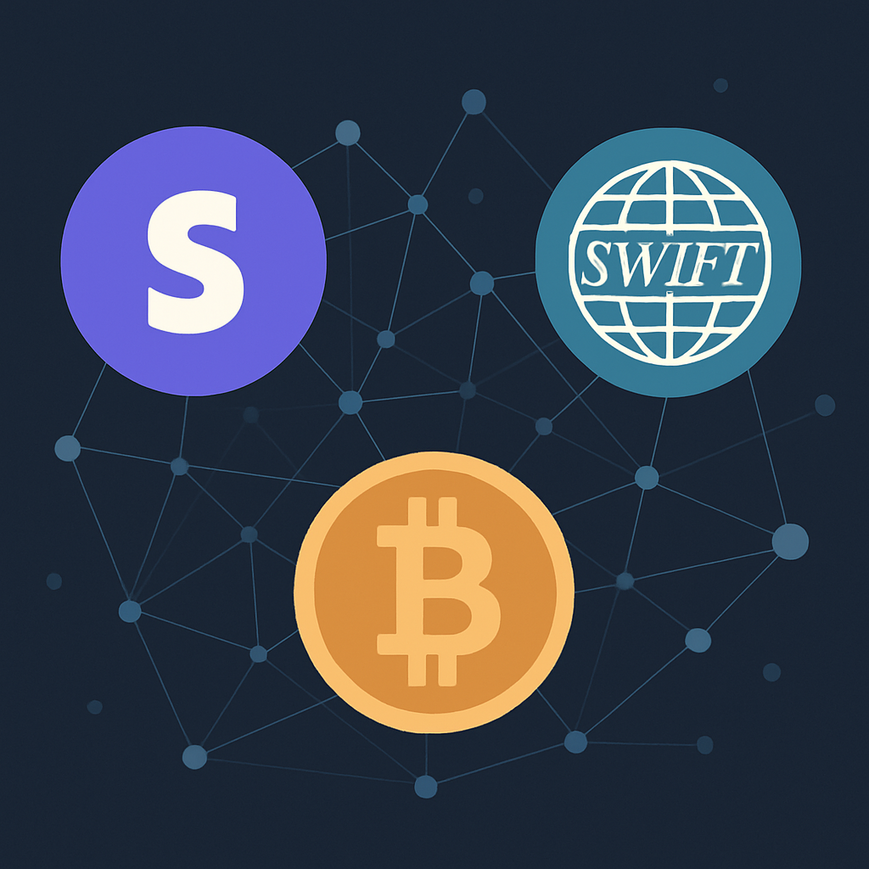
The race for the next rails of money is no longer hypothetical. Recent moves by Stripe and Swift—alongside plays from Visa, SBI Holdings and other incumbents and newcomers—signal an accelerating competition to shape the global payments infrastructure that will underpin digital dollars, tokenized securities and consumer onchain payments. This shift matters for banks, fintechs, crypto firms and everyday users who will ultimately bear the costs, privacy trade-offs and speed improvements these networks deliver.
How Stripe is trying to bring consumers onchain
Retail-first onchain playbook
Stripe’s play centers on pulling retail customers onto blockchains and tokenized rails. The company argues its edge lies in onboarding mainstream users to onchain flows—payments, wallets and token issuance—rather than serving only institutional corridors. That strategy presumes consumers will accept wallet UX, stablecoins and new custody models at scale.
Early activity and the memecoin paradox
So far, much of early onchain activity tied to Stripe’s moves has been dominated by memecoins and speculative flows. Stripe’s original tokenization vision—broad use of tokenized dollars and securities—remains small relative to meme-driven volume. The challenge: turning novelty trading into durable consumer payments that actually strengthen the global payments infrastructure.
Swift’s counterpunch: bank rails meet tokenization
Bank-grade rails and the Swift network evolution
Swift is leveraging its entrenched correspondent relationships and the Swift network to offer tokenized rails that appeal to banks and corporate treasuries. Swift’s value proposition is trust, reach and deep regulatory integration—features banks prize when considering tokenization or cross-border digital-dollar pilots.
Partnerships that blur lines with crypto
Swift’s approach is increasingly hybrid: embrace tokenization pilots, work with regulated custodians and integrate distributed ledger tech while keeping settlement closely supervised. That places Swift in direct competition with Stripe for institutional integration of the global payments infrastructure.
Visa and other incumbents reshaping the landscape
Visa’s stablecoin infrastructure play
Visa launched a stablecoin issuance and settlement platform that lets banks and fintechs issue and manage digital dollars through Visa rails. The Visa stablecoin platform accelerates the mainstreaming of tokenized payments, offering another route beside Stripe and Swift for firms aiming to plug into a large existing network.
Banking acquisitions and tokenization bets
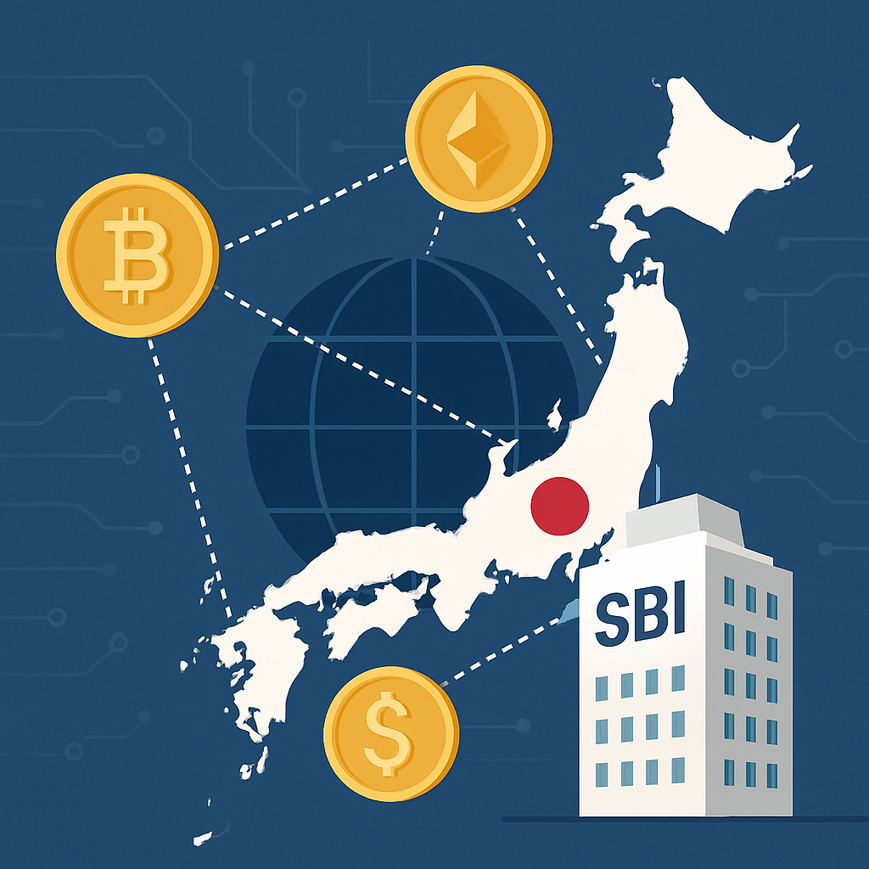
SBI Holdings’ acquisition of Coinhako and partnerships like Ondo Finance’s tokenization deals show a broader push: exchanges, banks and market infrastructure firms are consolidating licenses, custody and tokenization expertise to win institutional flows. These moves add new gravitas to the contest over the next generation of global payments infrastructure.
Market context: macro, crypto price action and regulatory pressure
Risk-off, geopolitics and asset repricing
A broader selloff in chipmakers and geopolitical tensions weighed on risk assets this week, pulling bitcoin off local highs. Crypto price action matters to the payments debate because volatile onchain markets and regulatory scrutiny influence banks’ and custodians’ willingness to participate in tokenized rails.
Regulatory dynamics and MiCA-era shifts
Regulators in Europe and Asia are shaping the rules for stablecoins and tokenized assets. ESMA’s MiCA implementations, MAS approvals like SBI’s Coinhako deal and central bank experiments (digital gilts, digital euro pilots) are central to who gets to dominate the global payments infrastructure—regulated incumbents or nimble fintechs.
Security, governance and operational risks for onchain rails
Technical governance debates and data rules
Ongoing protocol debates—such as proposals to restrict onchain non-financial data on Bitcoin or client-level changes like DOG Mode—underscore governance friction across blockchains. These technical fights affect whether onchain rails can scale for regulated payment use without fragmenting or compromising legal compliance.
Fraud, sanctions and custody concerns
Recent OFAC sanctions, exchange collapses and DeFi exploits highlight the operational risks inherent in tokenized systems. Firms building the new global payments infrastructure must harden AML/KYC, custody and oracle integrity to reassure banks and large corporates that tokenized flows are safe and auditable.
What institutions and consumers should expect next
Convergence, not replacement of rails
Expect convergence: incumbents will layer tokenization and stablecoin rails on existing networks rather than fully replace them overnight. Stripe’s consumer-onchain ambition, Swift’s bank-grade tokenization and Visa’s stablecoin tooling will coexist and interoperate in various ways, shaping a multi-rail global payments infrastructure.
Winners will be those who solve trust and utility
The ultimate winners will be platforms that combine regulatory compliance, custody depth, low friction UX and clear economic benefits (cheaper cross-border payouts, real-time settlement). For consumers, meaningful gains arrive when onchain payments become cheaper, faster and safer than legacy alternatives—not just a speculative playground.
Frequently Asked Questions
What does “global payments infrastructure” mean here?
It refers to the underlying systems that move money across borders and between institutions—now expanding to include tokenized assets, stablecoins and blockchain-based settlement alongside legacy ACH, SWIFT and card networks.
Will Stripe or Swift fully control the future rails?
Control will be fragmented. Stripe, Swift, Visa and banks will all capture parts of the ecosystem. Market share depends on regulatory acceptance, partnerships, custody solutions and who can deliver real customer utility at scale.
How do stablecoin platforms affect consumer protections?
Stablecoin platforms can improve speed and cost but raise questions on reserve transparency, custody and AML. Consumer protections will hinge on regulation and whether platforms adopt robust auditing, clear redemption guarantees and strong custody practices.


![[Robinhood DeFi]](https://cryptonews.guru/wp-content/uploads/2026/07/data-76.png)