Why young users might skip traditional banks
The rise of digital-first financial habits
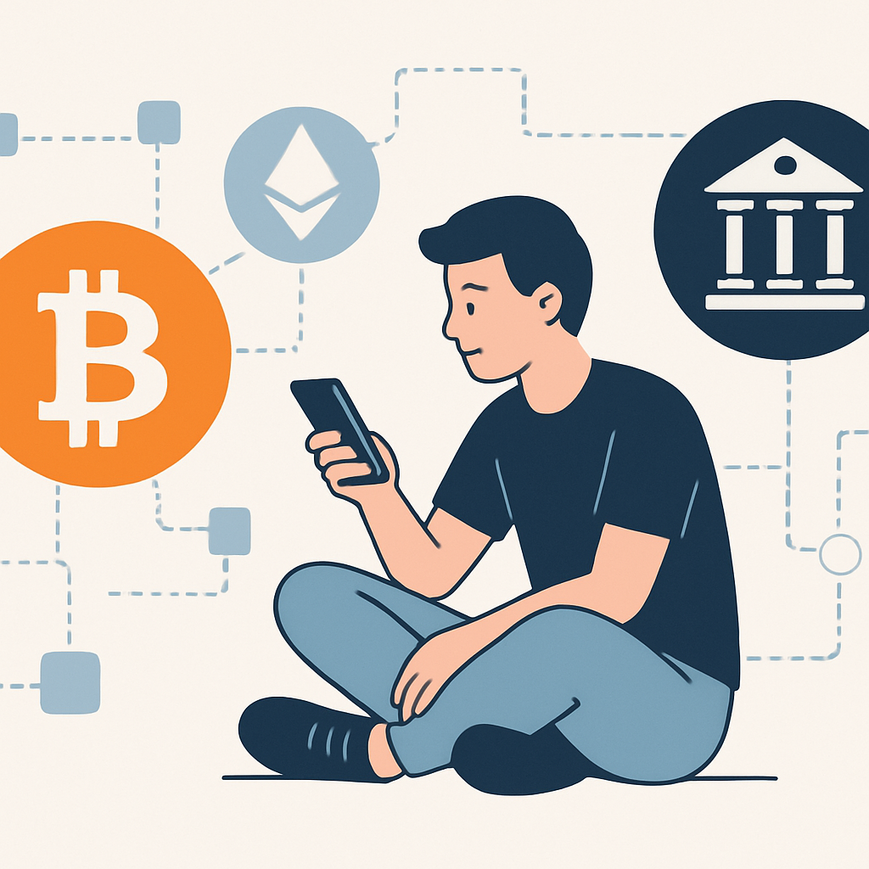
Adrian Cachinero of teakhouse Financial and spokespeople at Binance both pointed to a clear cultural shift: digital-native generations are increasingly comfortable storing value, sending payments, and accessing credit without a legacy bank. Mobile wallets, P2P rails, and custodial crypto services are reducing frictions bankers historically solved. As a result, bank account alternatives—ranging from stablecoin wallets to embedded fintech solutions—are becoming credible daily-use options for younger cohorts.
From convenience to structural change
Convenience drives initial adoption, but incentives and network effects can create long-term shifts. When youth prefer instant stablecoin transfers or app-based payment rails over bank-led settlement windows, institutions face a strategic choice: adapt by integrating tokenized rails or cede customer relationships. This trend is a core reason analysts now debate whether whole generations will ever need a conventional bank account.
Stablecoins, Pix and the dollar question
Brazil’s payments push vs Washington’s concerns
Brazil’s promotion of non-dollar payment channels such as Pix, together with rapid stablecoin growth, triggered concern in Washington about potential erosion of dollar-based trade advantages. Yet on the ground, dollar-linked stablecoins still dominate: nearly 90% of Brazil’s crypto transactions remain tied to dollar pegs. That paradox highlights how local rails and global stablecoins can coexist for years, even as policy debates intensify.
The persistent role of dollar pegs
Stablecoins provide many features that make bank account alternatives attractive: fast settlement, predictable value, and easy cross-border movement. Despite geopolitical anxieties, the dollar peg remains deeply embedded in many emerging markets’ crypto adoption patterns, which cushions trade disruptions while accelerating crypto adoption in remittance corridors and merchant payments.
Market flows, idle capital and trader bets
$542M inactive each week and what it means
On-chain analytics show about $542 million weekly sits outside active trading ranges, capital that earns zero fees and provides no market depth. That idle liquidity can amplify volatility when it re-enters markets, impacting price discovery for Bitcoin and Ether and shaping short-term risk for anyone exploring bank account alternatives for yield.
Options flow points to a potential BTC rally
Options market flow suggests large traders are betting on Bitcoin rising to roughly $72,000 by month-end. At the same time, macro shocks—like a chipmaker selloff that pulled BTC back from $65,000—underline how correlated crypto remains with broader risk assets. For users weighing bank account alternatives that promise yield, these market dynamics show both opportunity and short-term risk.
Institutional tokenization and TradFi bridges
Wall Street speeds up tokenization
A Broadridge survey and multiple institutional moves indicate tokenization is accelerating. Financial firms are piloting tokenized stocks, treasuries, and deposit-like instruments, and platforms such as Visa’s new stablecoin infrastructure aim to let banks issue, manage, and settle digital dollars. These developments make bank account alternatives more palatable for mainstream customers because trusted institutions are building compliant rails.
Exchanges and market makers join the fray
Deals that add institutional trading clients, derivatives expertise, and regulatory licenses show exchanges morphing into bridges between crypto markets and traditional finance. As more regulated actors offer custody and settlement, the friction for consumers to adopt bank account alternatives diminishes—while regulators scramble to define oversight for hybrid models.
Security, geopolitics and regulatory crosswinds
Malware and targeted social engineering
Cybersecurity firms like Kaspersky have identified new malware frameworks targeting crypto investors via trojanized apps and social engineering. For individuals thinking about bank account alternatives—particularly self-custody or non-bank custodial wallets—operational security is a critical barrier to mainstream adoption.
Sanctions, geoblocking and legal pressures
Geopolitical frictions—from U.S.-Iran tensions to Washington’s scrutiny of non-dollar payments—are shaping both policy and market access. Regulators and courts have ordered geoblocks on certain services, sanctioned addresses, and debated how stablecoin adoption might drain bank deposits. These pressures will dictate how quickly—and under what rules—bank account alternatives can scale globally.
Outlook: how users and incumbents should react
What to watch next
Key indicators to track include stablecoin adoption rates in emerging markets, institutional tokenization pilot results, on-chain liquidity metrics, and options/futures flows that signal trader sentiment. Visa’s stablecoin platform rollouts and major exchange deals are practical signs that bank account alternatives are moving from niche to mainstream experiments.
Preparing for the transition
Consumers should prioritize security hygiene and diversify custody options if they experiment with bank account alternatives. Banks that want to retain relevance should accelerate tokenization initiatives, offer interoperable rails, and collaborate with regulated stablecoin issuers to provide low-friction onramps for younger, crypto-native customers.
Frequently Asked Questions
Will digital-native generations completely abandon banks?
Not immediately. While digital-native generations show a strong preference for crypto and app-based rails, many will still use banks for credit, mortgages, and regulated deposit protections. However, bank account alternatives will increasingly handle day-to-day payments and cross-border transfers for these cohorts.
Are stablecoins safe enough to replace bank deposits?
Stablecoins offer speed and convenience, but safety varies by issuer, reserve transparency, and regulatory oversight. Dollar-pegged stablecoins dominate many markets today, but not all stablecoins carry the same protections as insured bank deposits.
What risks should users consider when using non-bank payment rails?
Key risks include cybersecurity threats (malware, phishing), regulatory changes that can block or restrict services, liquidity crunches in crypto markets, and potential loss of legal protections afforded to bank accounts. Users should weigh these against the benefits of faster, cheaper transfers and greater financial inclusion.