

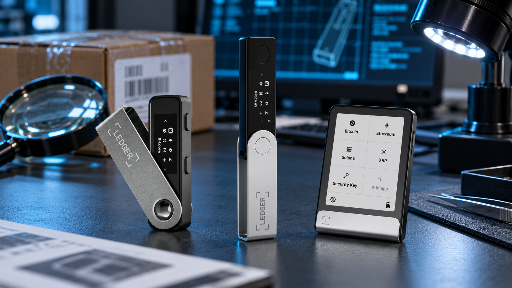
Crypto hardware wallet manufacturer Ledger has confirmed that a device linked to recent cryptocurrency theft reports contained an unauthorized hardware implant. According to the company, all confirmed cases investigated so far involve devices distributed through CryptoBilis, a reseller operating in Southeast Asia.
The disclosure has raised fresh concerns about hardware wallet security, supply-chain attacks, and the risks cryptocurrency investors face when purchasing devices through third-party distributors.
Ledger Confirms Unauthorized Hardware Implant
In a statement published on October 10, 2026, Ledger Support confirmed that investigators had identified an unauthorized hardware implant in one of the affected users’ devices.
The company said it was contacting impacted customers as part of an ongoing investigation. CryptoBilis has also suspended sales of its hardware wallet inventory until the investigation is completed.
In a follow-up statement on October 11, Ledger said the confirmed cases associated with the October 9 fund-draining incident involved devices sold through CryptoBilis.
Ledger emphasized that the number of affected devices appears limited and that its internal systems and direct sales channels remain unaffected.
The discovery of a physical implant provides concrete evidence of hardware tampering in at least one reported case, strengthening concerns about a potential supply-chain security breach.
CryptoBilis Wallet Incident: What Happened?
The incident came to light on October 9, when Ledger began investigating reports that customers had lost cryptocurrency after purchasing hardware wallets through CryptoBilis.
The reseller operates in Indonesia, Malaysia, and the Philippines, making the investigation particularly relevant to cryptocurrency users across Southeast Asia.
Although Ledger has not officially confirmed the total financial losses, third-party blockchain researchers have estimated that between $86 million and $93 million may have been stolen. Reports suggest that more than 300 wallets across several blockchain networks were affected, including Bitcoin, Ethereum, and Tron.
These figures remain third-party estimates and should not be interpreted as an officially verified loss total.
Ledger has reiterated that there is currently no indication that its internal security infrastructure, systems, or services were compromised.
The company is cooperating with relevant authorities and has reminded its distribution partners to obtain products exclusively through authorized channels. Ledger has also prohibited the restocking of returned hardware wallets.
Ledger Issues Security Warning to CryptoBilis Customers
Ledger has issued specific guidance for customers who purchased devices through CryptoBilis, urging them to take precautions while the investigation continues.
The company’s recommendations include:
- Do not initialize unused devices purchased through the affected reseller.
- Move funds to a new wallet setup using a device obtained directly from Ledger or another verified authorized source if an affected device has already been initialized.
- Contact official Ledger Support for assistance and further instructions.
- Report suspected theft to the relevant local law enforcement authorities.
Users should follow Ledger’s official recovery guidance and avoid entering their existing recovery phrase into an untrusted device or website.
Ledger has also warned about potential phishing attacks targeting victims of the incident. Scammers may impersonate customer support representatives to obtain wallet credentials or recovery phrases.
The company reminds users that it will never ask them to disclose their 24-word recovery phrase through a phone call, direct message, or support conversation.
Hardware Wallet Security Faces Renewed Scrutiny
The Ledger incident has reignited debate about whether hardware wallets can provide complete protection against cryptocurrency theft.
Following the collapse of FTX in 2022, many investors moved their assets away from centralized exchanges and into self-custody solutions. Hardware wallets became a popular option because they are designed to keep private keys isolated from internet-connected devices.
However, self-custody does not eliminate every security risk. Hardware vulnerabilities, compromised supply chains, malicious firmware, and mistakes during wallet setup can all create potential attack vectors.
The latest Ledger investigation highlights an important distinction: protecting private keys from online threats is only one part of wallet security. Investors must also consider the authenticity and integrity of the physical device they purchase.
Previous Coldcard Vulnerability Raised Similar Concerns
In July 2026, a reported vulnerability involving the seed-generation firmware of Coldcard hardware wallets raised additional concerns about self-custody security.
According to previously reported estimates from blockchain researchers, the incident was associated with approximately $100 million to $130 million in potential Bitcoin losses.
Although the Coldcard incident involved a different security issue, both cases demonstrate why hardware wallet manufacturers must continually evaluate their devices, firmware, production processes, and distribution networks.
Ledger Reviews Reseller Controls and Anti-Tampering Measures
Ledger says it is reviewing its security procedures following the discovery of the unauthorized implant.
In its October 11 update, the company said it was working to strengthen authorized reseller controls, improve hardware protections, and enhance procedures designed to prevent tampering throughout the distribution process.
Ledger also called for broader improvements in industry-wide chain-of-custody practices.
Chain of custody refers to the documented handling of a product as it moves through manufacturing, distribution, storage, and delivery. Strong controls can help manufacturers and customers identify unauthorized modifications before devices reach end users.
The investigation has not yet established publicly how the alleged hardware implant entered the affected supply chain or how many devices may have been involved.
CZ Raises Questions About the Reseller
Binance co-founder Changpeng Zhao, widely known as CZ, also commented on the incident.
In a post on X, Zhao alleged that the attackers may have acquired the reseller and used a nondisclosure agreement to prevent information from being disclosed.
However, these allegations have not been independently verified. CryptoBilis had not immediately responded to requests for comment regarding the incident or Zhao’s claims at the time of reporting.
The investigation remains ongoing, and the alleged circumstances surrounding the reseller should be treated as unconfirmed.
What the Ledger Incident Means for Crypto Investors
The reported wallet thefts highlight the importance of verifying hardware wallet authenticity before storing significant cryptocurrency holdings.
Investors should purchase devices through manufacturers’ official websites or verified authorized resellers, inspect packaging for signs of tampering, and follow the manufacturer’s recommended setup procedures.
They should also remember that a hardware wallet is only one component of a broader security strategy. Secure recovery phrase storage, protection against phishing, and careful verification of support channels remain essential.
For customers who purchased Ledger devices through CryptoBilis, following the manufacturer’s specific security instructions is particularly important while the investigation continues.
The incident has not established that Ledger’s entire product range is compromised. Instead, the confirmed findings so far point to devices associated with one reseller, while the full scope and cause of the incident remain under investigation.
As more information becomes available, the case could prompt hardware wallet manufacturers and distributors to strengthen supply-chain verification and anti-tampering measures across the cryptocurrency industry.