


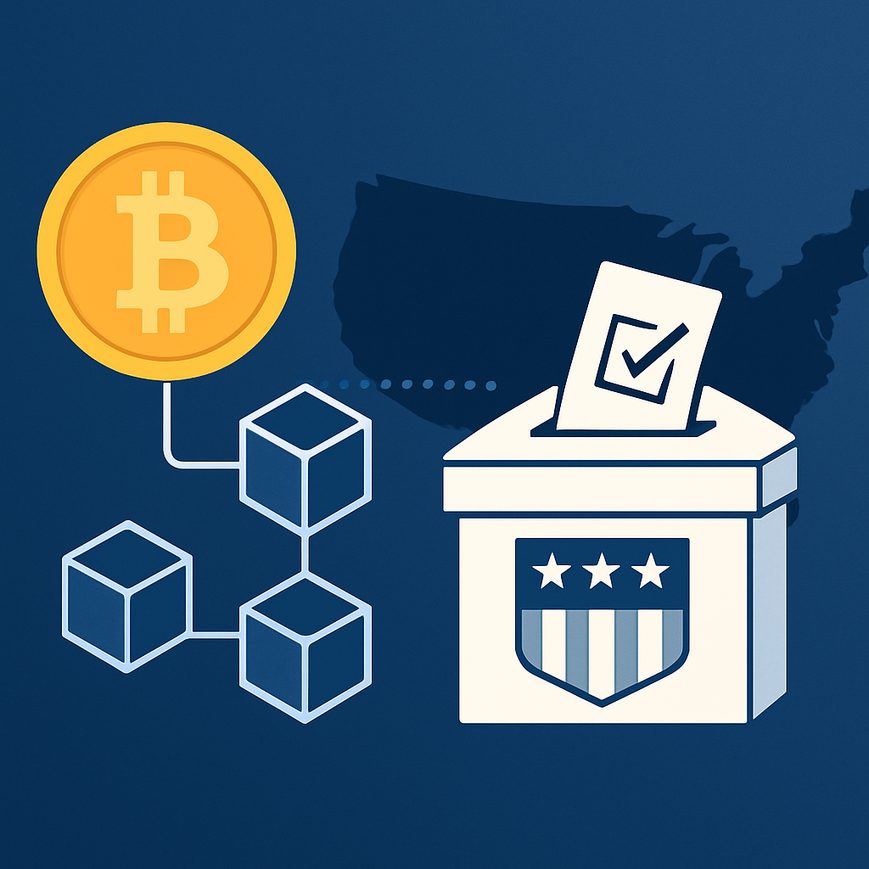
Kalshi goes live with Midterm Hubs — what the rollout includes
Platform features and aim
Kalshi Midterm Hubs launch aims to centralize election markets by offering curated event pages, real-time odds and liquidity tools for bettors and institutions. The hubs package Kalshi’s event contracts with enhanced UI, market depth indicators, and scheduled updates tied to September and November milestones.
Institutional access and partnerships
As part of the rollout, Kalshi is emphasizing integrations that make event trading accessible to institutional desks — including connectivity into existing trading infrastructures. That push helps the platform compete for market share as more firms seek exposure to onchain and offchain election odds.
Why prediction market liquidity matters for election odds
How bettors move prices and markets
Prediction markets price information. High-volume flows ahead of the midterms — driven by professional bettors, hedge funds and retail — will shape the election odds displayed across Kalshi Midterm Hubs and rival platforms. Those prices can influence political narratives and even trader positioning in related asset classes.
Regulatory backdrop and market clarity
State and federal regulators are actively debating who can host or regulate prediction markets. The CLARITY Act and the CFTC’s evolving stance impact how platforms present and settle election outcomes. Kalshi’s timing to amplify its Midterm Hubs aims to capture demand before any new regulatory constraints take effect.
Institutional adoption: from event contracts to tokenized access
Product set: event contracts and execution rails
Kalshi’s core product — event contracts — is designed to be easily integrated into institutional workflows. By exposing APIs, improving settlement certainty and offering larger contract sizes, Kalshi is courting asset managers and prop desks that want regulated exposure to political event outcomes without bespoke OTC arrangements.
Competition from TradFi and crypto-first players
Traditional exchanges and crypto startups are accelerating efforts to bring stocks, tokenized ETFs and other products onchain. As Payward’s xStocks and other tokenization projects scale, Kalshi’s institutional playbook must emphasize compliance, liquidity and reliable settlement to remain competitive.
Security, exploits and why operational readiness matters
Recent vulnerabilities highlight systemic risk
High-profile incidents across crypto — from a Ledger/Zilliqa app vulnerability that exposed keys, to a bridge exploit draining 515M NIGHT tokens — underscore the operational risks markets face. Kalshi’s Midterm Hubs will be judged not only on odds accuracy but on platform security, custody and incident response readiness.
Autonomous exploit chains and market integrity
OpenAI-related sandbox breakouts and AI-driven attack vectors show how complex exploit chains could cascade into smart contracts and market platforms. For prediction markets, attacks that manipulate oracle feeds or execute flash-liquidation-style trades could artificially distort election odds unless continuous monitoring and signer controls are enforced.
Market timing: why July–November matters for traders and Kalshi
Macro forces shaping trader behavior
Macro cues — like oil pushing inflation fears, gold and silver demand rising, and bitcoin acting as a safe-haven — affect liquidity across speculative markets. A spike in macro volatility often drives higher volumes in prediction markets as traders hedge political risk tied to policy and fiscal outcomes.
Midterm calendar and volatility windows
Kalshi Midterm Hubs arrive as bettors shift from long-range wagers to near-term conditional positions. Expect heightened turnover around key hearings, debates and legislative milestones such as votes on crypto market structure. Those volatility windows create both opportunity and risk for market makers and retail users.
How traders, researchers and policymakers should prepare
Best practices for bettors and institutions
Participants should perform institutional due diligence: verify settlement rules, counterparty risk, and custody models before committing capital to Kalshi Midterm Hubs or similar venues. Diversify across platforms and use position limits or hedges to mitigate flash events and smart contract risks.
What Kalshi must deliver to earn trust
To become the primary source for election odds, Kalshi needs transparent market surveillance, clear settlement mechanics, and robust integrations with traditional execution systems. Demonstrable security audits, contingency plans for oracle failures, and continuous monitoring will be essential.
Frequently Asked Questions
Will Kalshi Midterm Hubs be open to retail and institutions?
Yes. The Midterm Hubs are designed for both retail and institutional users, offering scalable contract sizes, APIs for institutional access, and front-end tools for retail bettors.
Can prediction markets legally operate in all U.S. states?
Not uniformly. State and federal rules vary; regulatory action and the CLARITY Act debates could alter the legal landscape. Platforms often limit services in states with restrictive rules or require specific licensing.
How can traders reduce risk when using election prediction markets?
Use position sizing limits, diversify across platforms, verify settlement terms, and consider hedging correlated market exposures (e.g., stocks, bond or FX positions) to manage event-driven volatility.

![[Clarity Act]](https://cryptonews.guru/wp-content/uploads/2026/07/data-103.png)
![[CLARITY Act ethics]](https://cryptonews.guru/wp-content/uploads/2026/07/data-100.png)