

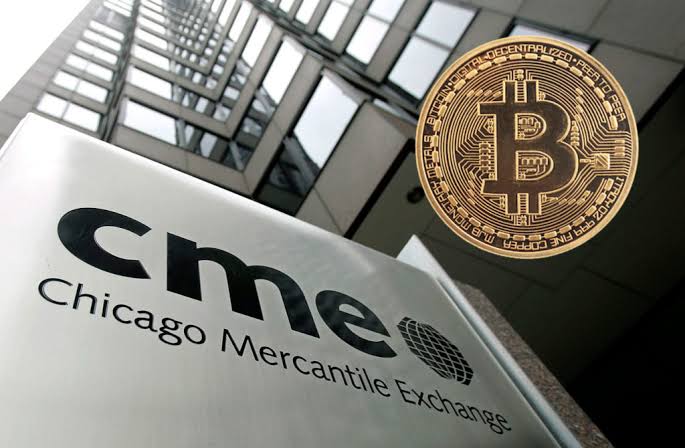
Regulatory Showdown: CFTC Challenges CME Over Perpetual Bitcoin Contracts
Mounting Tensions Between Regulator and Exchange
The digital asset sector is witnessing a pivotal dispute as the U.S. Commodity Futures Trading Commission (CFTC) publicly challenges major derivatives exchange CME Group over the future of perpetual futures, especially now that the agency has green-lit its inaugural bitcoin perp. The outcome of this debate stands to influence how perpetual contracts, a staple on offshore crypto platforms, function—or whether they will exist at all—on U.S. soil.
The Perpetual Futures Dilemma
Perpetual futures offer crypto traders a way to speculate on price action around the clock without the burden of expiry, making them a high-octane favorite. However, their popularity offshore has attracted regulatory skepticism domestically. The CFTC’s recent stance highlights concerns about oversight while CME, an established pillar in U.S. finance, contends it hasn’t been meaningfully harmed by the new regulatory policy. Yet, the agency remains unconvinced.
Industry Players Respond: Exchanges, Startups, and New Entrants
CME Defends Its Turf
CME Group, best known as a regulated venue for institutional derivatives, argues that it hasn’t suffered competitive disadvantage since the CFTC authorized the first bitcoin perpetual. The exchange maintains that investor safeguards and market discipline remain robust, even as new players enter the field.
Newcomers Eye Opportunity Amid Uncertainty
Amid this regulatory tug-of-war, innovators like Zerohash are maneuvering for federal trust charters as the landscape evolves. The opportunity for U.S.-compliant perpetual futures is enticing to startups, but the outcome of the CFTC vs. CME fracas could redefine everything from licensing hurdles to product design for years to come.
Market Shifts: The Broader Impact on Crypto Derivatives
Perpetual Futures as the Battleground
Perpetual futures, or perps, are a cornerstone product for advanced traders hoping to maximize crypto market opportunities. While exchanges such as Binance and Bybit have prospered internationally from these instruments, U.S. traders face a far stricter regulatory barricade. Should the current confrontation prompt further CFTC restrictions or even rollbacks, the domestic market for these derivatives could stagnate or slip offshore altogether.
Institutional Appetite Grows
Despite regulatory suspense, institutional interest in bitcoin perps and other crypto derivatives continues to build. CME and its peers see a clear demand for regulated exposure, but regulatory clarity remains the missing link. The sector’s future could hinge on whether U.S. rules adapt to global innovation or remain rooted in tradition.
Decoding the CFTC’s Regulatory Position
The CFTC’s Rationale
The CFTC’s case hinges on demonstrating that CME has not shown measurable harm under the new regime. Without compelling evidence of injury, the regulator is suggesting it has the upper hand to maintain or shape new rules governing perpetual futures. Their broader goal: to ensure products that may encourage risky leverage aren’t offered without airtight consumer protections.
What’s at Stake for U.S. Markets
If the CFTC pushes through more assertive regulation, CME and other U.S. venues could see their share of crypto derivative activity hamstrung—leaving domestic investors to seek unregulated options abroad. Conversely, a more lenient reading could catapult the U.S. to the forefront of responsible innovation in this complex product class.
Moving Parts: Technology, Treasury Trends, and Global Context
Crypto Firms Seek Advancements
While this legal drama plays out, technical innovation presses forward. Major players such as Cardano’s Charles Hoskinson are developing advanced cryptographic tools, while projects like NEAR are refining privacy-centric transaction models. These shifts demonstrate an industry that refuses to stand still, regardless of legal wrangling at the federal level.
Institutional Allocations in Motion
On the investment front, companies like Strive and Strategy are growing their bitcoin treasuries at varying paces. As bitcoin touches new highs fueled by global financial shifts—like strong GDP data from China and surging DeFi activity—U.S. policy decisions on crypto derivatives could dramatically influence how both corporate and individual portfolios evolve.
The Road Ahead: Perpetual Futures and the U.S. Crypto Landscape
Key Decision Looms
With the CFTC taking a hard stance and CME defending its regulatory territory, the resolution of this perpetual futures standoff could deliver a watershed moment for crypto derivatives nationwide. Will the U.S. become a global hub for these innovative products, or will restrictive policies hand the market to overseas competitors?
What to Watch For
As regulators, exchanges, and newcomers maneuver to shape the rules, traders and institutions alike are watching closely. The fate of perpetual futures in America will set a precedent for how digital asset risk is managed, how innovation is weighed against investor protection, and how U.S. markets integrate into the world’s crypto ecosystem.