

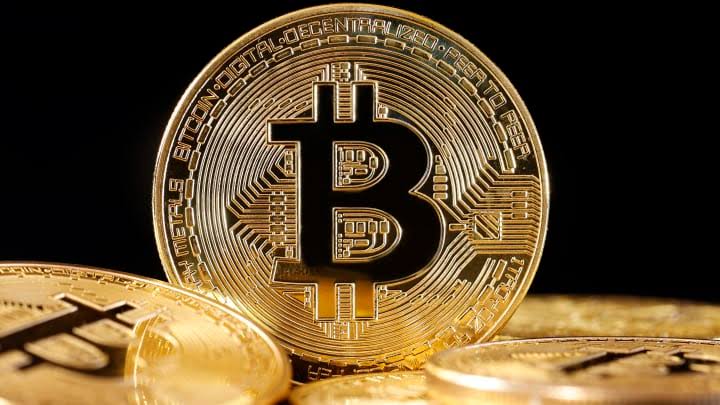
A long-silent Bitcoin wallet is back on the radar
Coins from the early era suddenly move
A dormant Bitcoin wallet dating back to 2011 has reappeared on-chain, sending 50 BTC—worth roughly $3.2 million at current prices—to a fresh address that analysts say has prior links to FalconX-related deposit activity. The transfer does not automatically confirm an imminent sale, but it has been enough to spark fresh speculation across the market.
Wallets from Bitcoin’s earliest years tend to attract outsized attention because they belong to an era when the asset was still largely experimental. Whenever one of these addresses wakes up, traders immediately start asking the same question: is this a simple wallet reshuffle, or the first step toward distribution?
Why old addresses matter so much
A dormant Bitcoin wallet carries psychological weight far beyond the size of the transfer itself. Early holders often sit on massive unrealized gains, and even a relatively small move can influence sentiment. Market participants watch these transactions closely because they can hint at long-term holders changing strategy after years of inactivity.
In this case, the receiving address reportedly still holds the 50 BTC for now. That leaves room for several interpretations. The owner could be improving custody, splitting funds for estate planning, testing access to ancient keys, or positioning coins nearer to an institutional trading venue.
FalconX connection raises questions, not answers
Exchange-linked history fuels speculation
The address receiving the funds has reportedly sent assets in the past to wallets identified by blockchain observers as FalconX deposits. That detail matters because FalconX is widely used by institutional clients for trading, execution, and liquidity services. If the new transfer is indeed one step removed from that infrastructure, some market watchers will naturally assume the coins may be inching closer to a possible sale.
Still, on-chain breadcrumbs do not equal certainty. Address labeling can be useful, but it is not perfect, and wallet behavior can be misleading without broader context. A dormant Bitcoin wallet moving coins toward a wallet with historical exchange relationships does not prove liquidation is next.
Reorganization is just as plausible
There are also less dramatic explanations. Veteran holders sometimes consolidate fragmented UTXOs, update security procedures, or move aging coins into more sophisticated custody arrangements. For someone sitting on coins mined or acquired in 2011, moving a small portion could simply be prudent financial housekeeping.
That distinction is important because the market often overreacts to old-coin activity. If the transfer ends with no further movement, today’s speculation may look like a classic example of traders reading too much into a single on-chain event.
Bitcoin price structure is turning interesting again
A bullish setup is forming, but not confirmed
The timing of this transfer is notable because Bitcoin’s chart is already drawing attention for a possible bullish technical formation. Analysts say the structure is constructive, but not yet validated. In other words, the setup exists, but the breakout still needs to happen.
That puts the spotlight on a key resistance level. If buyers can push through it convincingly, the pattern could shift from possibility to confirmation. If not, Bitcoin may remain stuck in the same frustrating range that has defined recent trading.
Why one level matters more than everything else
This is where market psychology becomes critical. Bitcoin has been remarkably compressed relative to broader risk assets, even as equities have continued to absorb capital. A decisive move above resistance would likely invite momentum traders back into the market, while another rejection could reinforce the idea that upside remains capped for now.
The dormant Bitcoin wallet story adds another layer to that backdrop. Even though 50 BTC is not enough to reshape market structure on its own, old-holder activity tends to amplify whatever technical narrative is already in play. In a weak market, traders view it as potential supply. In a strong market, they dismiss it as noise.
Broader market mood remains cautious
Bitcoin and Ether drift while XRP lags
Across major crypto assets, price action has been mixed to soft. Bitcoin and Ether have posted modest losses, while XRP has underperformed more sharply over the past week. That weakness reflects a market still struggling to find a clean catalyst, despite healthy interest in some corners of the digital asset sector.
Institutional flows into U.S. spot Bitcoin ETFs have offered support at times, but that demand has not yet translated into a decisive breakout in spot price. The result is a market that feels stable on the surface, yet hesitant underneath.
Risk sentiment is being shaped by Washington too
One reason for that caution is regulation. Hopes for progress on U.S. crypto market structure legislation took a hit after the Senate failed to take up the Clarity Act before the expected August recess window. While lawmakers are still expected to revisit the issue later, the delay lowers the odds of quick legislative clarity this month.
For investors, that matters. Regulatory momentum often affects sentiment even before any law is passed. A delayed vote may not change Bitcoin’s long-term trajectory, but it can reduce near-term conviction among traders already waiting for a breakout signal.
Old coins, modern institutions, and a changing Bitcoin market
The meaning of a 2011 transfer has evolved
Fifteen years ago, a Bitcoin transfer was often little more than a peer-to-peer experiment. Today, the same type of movement can trigger a sophisticated chain of analysis involving wallet clustering, institutional execution venues, and macro interpretation. That shift says a lot about how far the asset class has matured.
A dormant Bitcoin wallet from 2011 now sits at the crossroads of crypto history and modern market infrastructure. What was once a cypherpunk asset now trades in an environment shaped by ETFs, prime brokers, custody providers, and policy debates in Washington.
Why traders should avoid jumping to conclusions
It is tempting to treat every old-wallet transfer as a major event, but context matters. Fifty BTC is meaningful, especially from an address untouched since the early years, yet it remains a small fraction of Bitcoin’s daily traded volume. The move is newsworthy because of what it may signal, not because of its direct market impact.
That is why the next transaction matters more than the first one. If the funds remain parked, the story becomes one of reactivation and possible custody management. If they continue toward a known exchange pathway, the market will likely interpret the move differently.
What to watch next as the story develops
On-chain follow-through is the biggest clue
The clearest signal will come from whether the receiving wallet stays inactive or sends the 50 BTC onward. A dormant Bitcoin wallet coming back to life is interesting, but subsequent flows are what determine whether the event is operational, strategic, or market-facing.
Blockchain watchers will also be monitoring whether related addresses begin moving. Sometimes one old wallet transfer is an isolated event. Other times, it is the first sign that a broader cluster of early-era holdings is being reorganized.
Price confirmation remains the real market test
Beyond the wallet activity, Bitcoin’s next meaningful move still depends on the chart. If bulls reclaim the key resistance zone that technicians are focused on, sentiment could improve quickly. If that level fails again, the market may continue drifting sideways while traders wait for stronger catalysts from macro conditions, ETF flows, or policy progress.
For now, the old-wallet transfer is best viewed as an important signal—not a verdict. It reminds the market that Bitcoin’s earliest holders are still out there, and when one of them moves, people pay attention.
Frequently Asked Questions
Why is a dormant Bitcoin wallet from 2011 such a big deal?
Wallets from 2011 are tied to Bitcoin’s earliest adoption phase. When they move, traders often see it as a potential sign that long-term holders may be repositioning or preparing to sell.
Does a transfer to a FalconX-linked address mean the Bitcoin will be sold?
Not necessarily. It can suggest the coins are moving closer to institutional trading infrastructure, but it could also reflect custody changes, internal transfers, or security upgrades rather than an immediate sale.
How could this affect Bitcoin price?
The direct effect of 50 BTC is limited, but the sentiment impact can be larger. A dormant Bitcoin wallet reactivating may make traders more cautious, especially if Bitcoin is already sitting near an important technical level.