

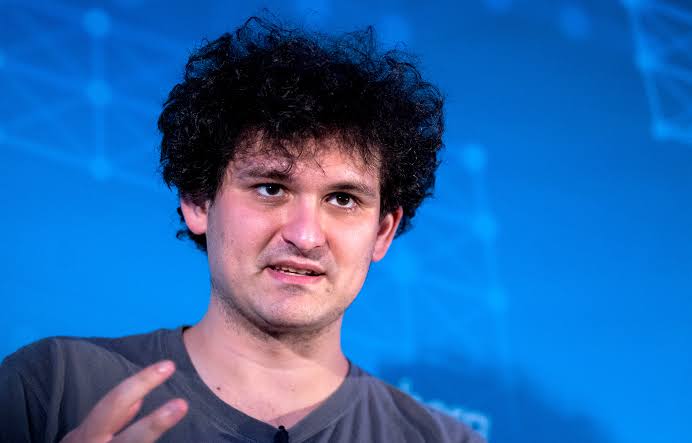
Federal judges reinforce the fraud case against the former FTX chief
A major setback for Sam Bankman-Fried
A US appeals court has now cemented the criminal conviction of Sam Bankman-Fried, delivering another heavy blow to the fallen crypto executive’s effort to undo one of the industry’s most notorious fraud cases. The ruling makes it far harder for the former FTX boss to argue that jurors were misled or that the collapse of the exchange should be viewed through a softer legal lens.
At the heart of the appeal was a familiar defense: that customers and investors may eventually recover funds, and therefore the damage was not as clear-cut as prosecutors claimed. The appellate panel rejected that logic. In blunt terms, the judges signaled that the possibility of later recoveries does not erase the underlying misconduct that led to the losses and panic in the first place.
Why the court wasn’t persuaded
The three-judge panel reportedly pushed back on the idea that FTX users did not truly suffer harm because bankruptcy proceedings may return assets over time. That distinction matters. Fraud law is not judged solely by what might be recovered years later after a corporate implosion. It also considers deception, misuse of funds, and the financial exposure imposed on victims when the conduct occurred.
For the wider market, the latest Sam Bankman-Fried conviction development is more than a legal footnote. It reinforces a message regulators and courts have been sending for years: crypto may be innovative, but misuse of customer money is still old-fashioned fraud.
The ruling lands as crypto regulation enters a critical political window
Washington is running short on time
The decision arrives during a sensitive week for US crypto regulation. Lawmakers are facing a narrowing window to move market structure legislation before Congress breaks for recess. According to recent remarks from a senior Senate Republican, there is still time for leadership to bring a crypto bill forward, but the clock is ticking fast.
That backdrop gives the Sam Bankman-Fried conviction even more significance. High-profile enforcement cases often shape the tone of policy debates, especially when legislators are trying to convince skeptical colleagues that the industry can be governed without repeating the failures of the FTX era.
FTX still casts a long shadow over legislation
Even in 2026, FTX remains one of the most politically powerful cautionary tales in crypto. Every discussion about exchange oversight, custody standards, reserve transparency, and conflicts of interest eventually circles back to that collapse. The latest appellate ruling is likely to strengthen those pushing for tougher guardrails around customer asset segregation and executive accountability.
In practical terms, the Sam Bankman-Fried conviction may now be used by both sides of the debate. Crypto critics will point to it as proof that the sector still needs strict policing. Industry supporters, meanwhile, may argue the opposite: that clearer rules are needed so legitimate firms are not judged by the failures of one disgraced operator.
Bitcoin stays calm even as macro pressure builds
A strangely quiet market
While the legal drama around FTX continues, Bitcoin has been trading in a relatively tight range. That subdued behavior stands out because broader macro signals have turned noisier. Fresh US PMI data has reignited worries about sluggish growth combined with sticky inflation, a mix that often revives “stagflation” talk across financial markets.
Normally, this kind of environment would trigger stronger reactions in risk assets. But Bitcoin has remained compressed, diverging from both equities and gold in the short term. That tells us traders are still looking for a convincing catalyst before committing to a larger directional move.
ETF inflows offer some support
One factor helping stabilize sentiment is continued demand for spot Bitcoin exchange-traded funds. US-listed Bitcoin ETFs recently extended their inflow streak, attracting hundreds of millions of dollars over multiple sessions. That steady institutional appetite has helped offset some of the broader uncertainty hanging over crypto markets.
Still, price support from ETFs does not erase deeper concerns about liquidity, regulation, and macro policy. The Sam Bankman-Fried conviction is a reminder that trust remains fragile in the digital asset space. Investors may be willing to buy Bitcoin exposure, but they are also far more selective about where they place that trust.
Real-world assets and stablecoins keep pushing crypto into new territory
Tokenized finance is becoming harder to ignore
Away from the courtroom headlines, one of the clearest growth stories in crypto is the expansion of tokenized real-world assets. Market data suggests these onchain representations of traditional assets are no longer a niche experiment. Deposits have surged, trading activity has expanded, and some protocols are now generating meaningful revenue from RWA-related volume.
That shift matters because it shows crypto’s next chapter may be less about hype cycles and more about infrastructure. Traders and institutions appear increasingly interested in blockchain rails that support lending, settlement, collateral management, and yield generation tied to familiar financial products.
Stablecoin rails are gaining institutional legitimacy
Stablecoins are also moving deeper into mainstream financial plumbing. New payment and prefunding tools from major financial networks point to a future where digital dollars and other fiat-linked tokens are used behind the scenes for faster transfers and treasury operations.
Meanwhile, firms expanding regulated custody and licensing footprints in places like the Cayman Islands suggest the compliance side of the market is maturing too. The contrast with the Sam Bankman-Fried conviction is striking. On one side, the industry is building more credible infrastructure. On the other, it is still dealing with the reputational damage of executives who treated customer assets like a private slush fund.
Security fears are becoming more physical and more personal
The risk is no longer only online
Another major story shaping crypto in 2026 is the rise in real-world threats against holders. Security analysts have documented a worrying increase in physical attacks, including home invasions, kidnappings, extortion attempts, and cases involving family members. This marks a dangerous evolution from purely digital theft to crimes that blend onchain tracking with offline intimidation.
At the same time, phishing operations are becoming more sophisticated. Attackers are reportedly posing as licensed providers, cloning websites, and using false documents to gain the trust of victims searching for regulated crypto services.
Trust is now the industry’s central challenge
This environment makes the Sam Bankman-Fried conviction relevant beyond the courtroom. The crypto sector’s central challenge is no longer just volatility. It is trust. Users need to trust exchanges, wallets, custodians, protocols, regulators, and even their own operational security.
That trust has been repeatedly tested by hacks, exploit campaigns, legal scandals, and governance failures. So when an appeals court stands behind the jury’s decision in the FTX case, it sends a broader message: accountability still matters, and the industry cannot move forward without it.
Why this case still matters for crypto’s future
A defining symbol of the post-bubble era
The collapse of FTX marked the end of a certain kind of crypto excess. It exposed the risks of unchecked celebrity founders, weak oversight, insider decision-making, and opaque balance sheets. The Sam Bankman-Fried conviction has become the legal centerpiece of that reckoning.
Now that an appeals court has upheld that outcome, the narrative is harder to rewrite. This was not simply a failed business during a market downturn. Courts continue to frame it as a case involving deception, misuse of customer funds, and broken fiduciary boundaries.
The industry’s next phase will demand credibility
Crypto is clearly not disappearing. Bitcoin ETFs are drawing money, tokenized assets are growing, stablecoin payment rails are expanding, and institutions remain interested in blockchain-based finance. But future growth will likely depend less on grand promises and more on disciplined execution.
That is the deeper significance of the Sam Bankman-Fried conviction. Markets may forgive bad timing, product failures, or even strategic mistakes. What they do not easily forgive is betrayal. For crypto firms hoping to win over institutions, regulators, and mainstream users, credibility is no longer optional. It is the business model.
Frequently Asked Questions
Why did the appeals court uphold Sam Bankman-Fried’s conviction?
The court rejected arguments that FTX customers and investors did not truly suffer losses because some funds may be recovered through bankruptcy. The judges focused on the alleged fraud and misuse of assets at the time of the misconduct.
Does this ruling affect the broader crypto industry?
Yes. The Sam Bankman-Fried conviction strengthens the view that crypto firms will be held to traditional legal standards when customer funds are mishandled. It also adds pressure for clearer regulation and stronger compliance practices.
Could this influence upcoming US crypto legislation?
Very likely. The ruling arrives as lawmakers face a tight deadline to advance crypto market structure bills. FTX remains a powerful example in policy debates about exchange oversight, custody rules, and consumer protection.