

T. Rowe Price launches the industry’s first multi-token crypto ETF
TKNZ goes live as an actively managed vehicle
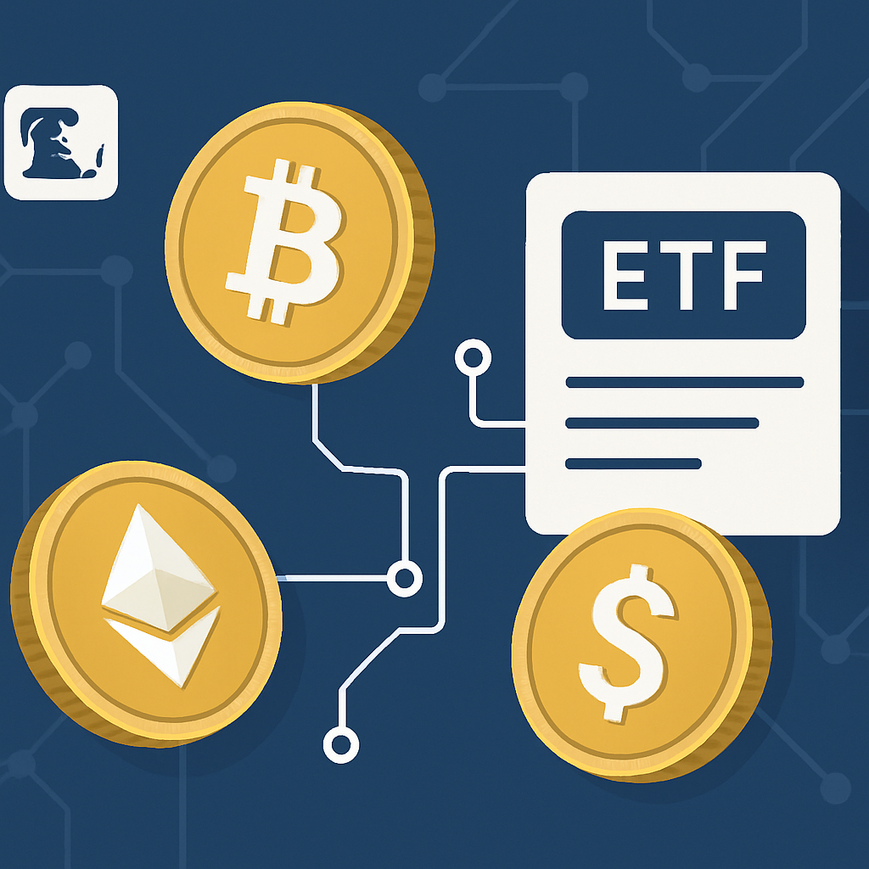
T. Rowe Price has started trading TKNZ Active Crypto ETF, which the firm describes as the industry’s first actively managed multi-token crypto ETF. Unlike single-asset bitcoin or ether funds, this product aims to deliver diversified exposure across a basket of spot tokens while relying on portfolio managers to adjust weights, manage risk, and respond to market events.
What the fund promises investors
The ETF positions itself as a bridge between traditional asset management and crypto markets, offering familiar investment governance, custody arrangements, and trading infrastructure to institutional and retail participants seeking diversified digital-asset exposure.
How a multi-token crypto ETF differs from single-asset funds
Diversification across token types
A multi-token crypto ETF holds multiple digital assets rather than just Bitcoin or Ether. That can reduce idiosyncratic risk tied to any single token’s technical or regulatory developments, while allowing managers to overweight promising sectors like Layer 2s, smart-contract platforms, or tokenized real-world assets.
Active management versus passive indexing
Unlike many spot crypto ETF products that track a fixed index, an actively managed multi-token crypto ETF lets portfolio teams rebalance holdings, employ risk overlays, and potentially exclude tokens facing compliance or security issues. This active approach is designed to be more responsive in volatile markets.
Why active management matters now
Institutional demand for risk controls
Institutional crypto adoption has advanced beyond custody and trading to include more sophisticated strategies. With recent moves — Visa launching a stablecoin platform, exchanges raising institutional funding, and infrastructure firms expanding tokenized securities — institutions want active stewardship that can navigate custody, regulatory, and liquidity hurdles.
Tailoring exposure during macro and geopolitical shocks
Events like profit-taking after Bitcoin rallies, geopolitical strikes, or regulatory announcements can create rapid shifts in token correlations. Active managers can reduce allocations to stressed tokens, increase cash or stablecoin buffers, and rotate into assets with better liquidity or yield profiles.
Custody, compliance and the tokenization backdrop
Custody trends and tokenized securities momentum
Recent industry updates show major custodians and firms holding substantial tokenized assets — from firms that reported custody of tokenized U.S. equities to platforms offering on-chain ownership records. A multi-token crypto ETF sits at the intersection of custody best practices and tokenized asset innovation, demanding robust custody and audit trails.
Regulatory scrutiny and operational safeguards
Regulators remain focused on market integrity, AML, and consumer protections. Active managers must demonstrate rigorous controls for oracle risks, smart-contract security, and provenance of assets — especially after recent exploits and oracle manipulations that led to multi-million-dollar losses in DeFi.
Market implications and investor considerations
Who should consider the fund?
The product appeals to investors seeking diversified spot exposure without manually managing wallets, private keys, or multiple exchange relationships. It may also attract asset allocators who prefer an actively managed sleeve to complement passive Bitcoin or Ether holdings.
Fee trade-offs and performance expectations
Active management generally commands higher fees than passive ETFs. Investors should weigh the potential for downside protection and selective alpha against fee drag, recognizing that manager skill will be critical over full market cycles.
Broader ecosystem signals: why now is meaningful
Institutional crypto infrastructure is maturing
The timing of T. Rowe Price’s multi-token ETF reflects a maturing institutional landscape: exchanges securing large funding rounds to grow tokenization and derivatives, stablecoin rails from Visa enabling bank-backed digital dollars, and infrastructure products that give custody clients access to onchain yield strategies. These developments create a deeper market for diversified crypto products.
Security and market integrity remain central
High-profile exploits, oracle attacks, and sanctions-linked freezes have underscored the operational risks in crypto. Active managers must integrate forensic-grade surveillance, third-party audits, and regulatory compliance to protect fund investors and uphold market trust.
Frequently Asked Questions
What is a multi-token crypto ETF and how does it work?
A multi-token crypto ETF is an exchange-traded fund that holds multiple cryptocurrencies in its portfolio. In an actively managed structure, portfolio managers decide which tokens to hold and when to rebalance, aiming to manage risk and capture opportunities across the digital-asset spectrum.
How does a multi-token crypto ETF differ from a spot crypto ETF?
A spot crypto ETF typically tracks a single underlying asset (like Bitcoin) or a fixed index of assets. A multi-token crypto ETF holds a basket of tokens and, if actively managed, allows managers to change allocations over time rather than following a static index.
Are multi-token crypto ETFs suitable for institutional investors?
Yes, many institutional investors favor diversified products with professional management, custody, and compliance frameworks. Institutions will, however, evaluate fees, custody partners, operational controls, and manager track records before allocating to such funds.