

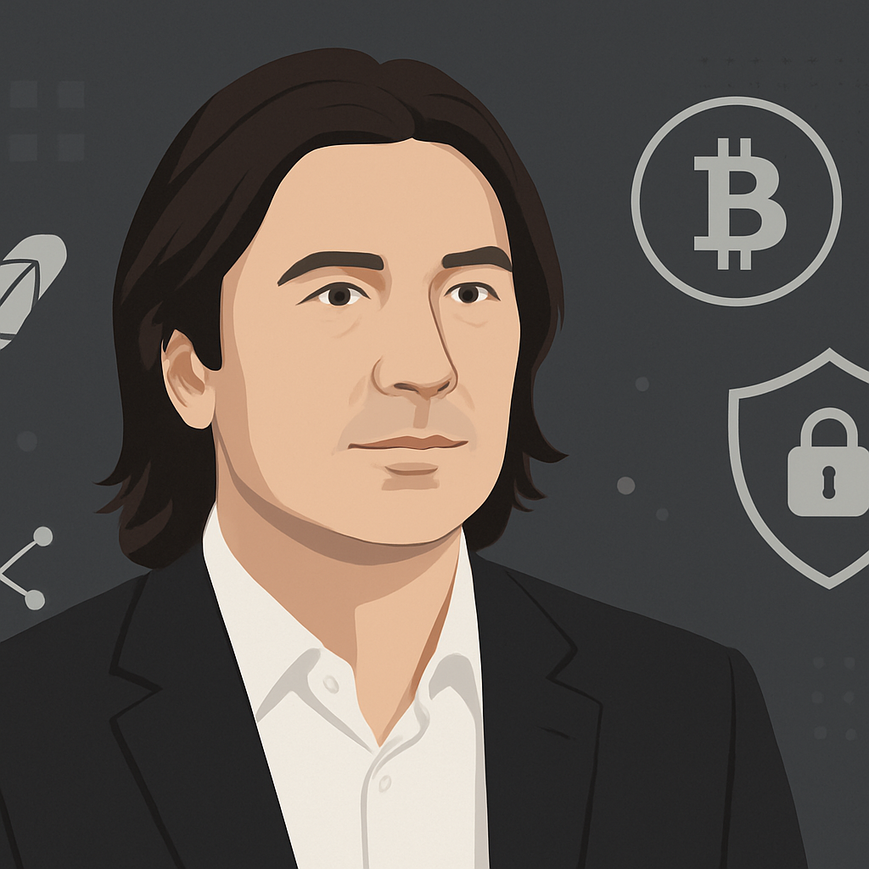
A high-profile social account breach this week has thrust memecoin speculation and platform security back into the spotlight. Robinhood CEO Vlad Tenev’s X account was reportedly hijacked to promote a bogus “VLAD” token and a fake listing on Robinhood, a scheme that exploited the ongoing memecoin frenzy and the popularity of Robinhood Chain-based tokens. The incident underscores how high-profile breaches can amplify scams, while broader industry developments continue to shape regulatory and security responses.
How the Vlad Tenev X breach unfolded
The malicious post and the fake token contract
Attackers posted a now-deleted message from Vlad Tenev’s X account touting a token called $VLAD and claiming an imminent Robinhood listing. The tweet included a malicious token contract address — a classic lure that directs users to mint or buy a memecoin tied to a fraudulent project.
Immediate removal, lingering damage
Although the post was taken down quickly, screenshots and automated bots had already spread the contract across channels. That rapid replication is standard in a memecoin frenzy, where hype cycles and FOMO can turn a single post into mass transactions before platforms can intervene.
Why this matters for Robinhood Chain and retail users
Robinhood Chain’s memecoin ecosystem at risk
Robinhood Chain has seen significant DEX volume driven by high-risk meme tokens. The hacked post referenced “Vladhood,” playing on Robinhood Chain’s meme culture. Scams that piggyback on platform branding can be especially convincing to retail traders who expect familiar interfaces or corporate endorsements.
Retail safety: simple steps to avoid fake tokens
Users should verify contract addresses via official company posts or verified channels, avoid impulse buys after social posts, and use trusted wallets and scanners before transacting. Wallet approval mechanisms can be abused to drain funds — never approve unlimited allowances for unknown contracts.
Broader security context: what recent exploits reveal
Cross-chain vulnerabilities and hot-key compromises
Recent attacks on Verus, B² Network and other cross-chain bridges show how compromised keys, upgrade powers, or validation checks can empty protocols even without breaking core cryptography. The same tactics — social engineering plus rushed contract interactions — often fuel memecoin rug pulls.
Hot-validator signatures and bridge risk
Security reports revealed attackers used sufficient hot-validator signatures to authorize massive withdrawals (e.g., a 24.15M USDC move in one incident). While the Arbitrum native bridge was reportedly unaffected in that case, stolen funds often moved quickly across chains to obfuscate trails — a reminder that a single compromised account can cascade across ecosystems.
Regulatory and institutional reactions shaping the landscape
Lawmakers, banks and the market-structure bill
The crypto market-structure bill in Congress remains a hot topic. Goldman Sachs’ CEO publicly backed the bill, diverging from other bank leaders; that signals a potential shift toward clearer regulatory guardrails that could indirectly reduce scam surface areas by tightening stablecoin and custody rules.
Settlements and transparency demands
Separately, regulatory settlements and FOIA disclosures continue to pressure platforms and agencies to improve record-keeping and controls. The SEC’s recent settlement to release documents and related legal developments stress the need for traceability — a principle that could help deter quick-hit scams when enforced across major platforms.
Industry defenses and collaborative initiatives
Bitcoin Security Consortium and institutional funding
Nine major firms, including BlackRock and Coinbase, pledged $15 million to fund research on post-quantum defenses and other security work for Bitcoin. This kind of consortium demonstrates how institutions are mobilizing to protect core assets and infrastructure — though consumer-level phishing and memecoin rug pulls require broader education and platform controls.
Compliance tooling for decentralized venues
New frameworks developed with firms like Superstate and Securitize aim to let regulated funds trade on Uniswap while enforcing institutional compliance. As DeFi onramps become more compliant, the hope is that tighter integration with custody and KYC systems will reduce the efficacy of social-driven token scams.
Market and user impact: price signals, ETFs and investor sentiment
Bitcoin, ETFs and risk appetite
Bitcoin traded rangebound near $65,000 after recent volatility; US spot Bitcoin ETFs have seen inflows recently, indicating institutional appetite remains. Still, memecoin frenzies and headline hacks can erode retail confidence, pushing some traders toward safer ETF exposure rather than risky token launches promoted on social channels.
Exchange responses and platform responsibilities
Exchanges and wallets keep rolling out AI tools, developer kits, and compliance measures to detect fraudulent token listings and suspicious approvals. However, the speed of social-media-driven memecoin pumps often outpaces automated defenses, highlighting the need for faster corporate communication and user education.
Frequently Asked Questions
Was Vlad Tenev’s X account permanently compromised?
Reports indicate his X account was hijacked briefly to post the bogus $VLAD token message. The post was deleted quickly, suggesting secondary controls or rapid remediation but not necessarily full permanent control by attackers.
How can users check if a token like $VLAD is legitimate?
Verify token information against official company announcements or audited contract repositories, check liquidity on reputable DEX aggregators, and use token-scanning tools to detect suspicious minting permissions. Avoid transactions based solely on social posts.
Does this incident change regulatory momentum around crypto?
High-profile hacks and scams add urgency to regulatory debates, including the market-structure bill and ethics provisions. Legislators and institutions cite such incidents when arguing for clearer custody, disclosure, and compliance rules — but regulatory outcomes remain contested.