

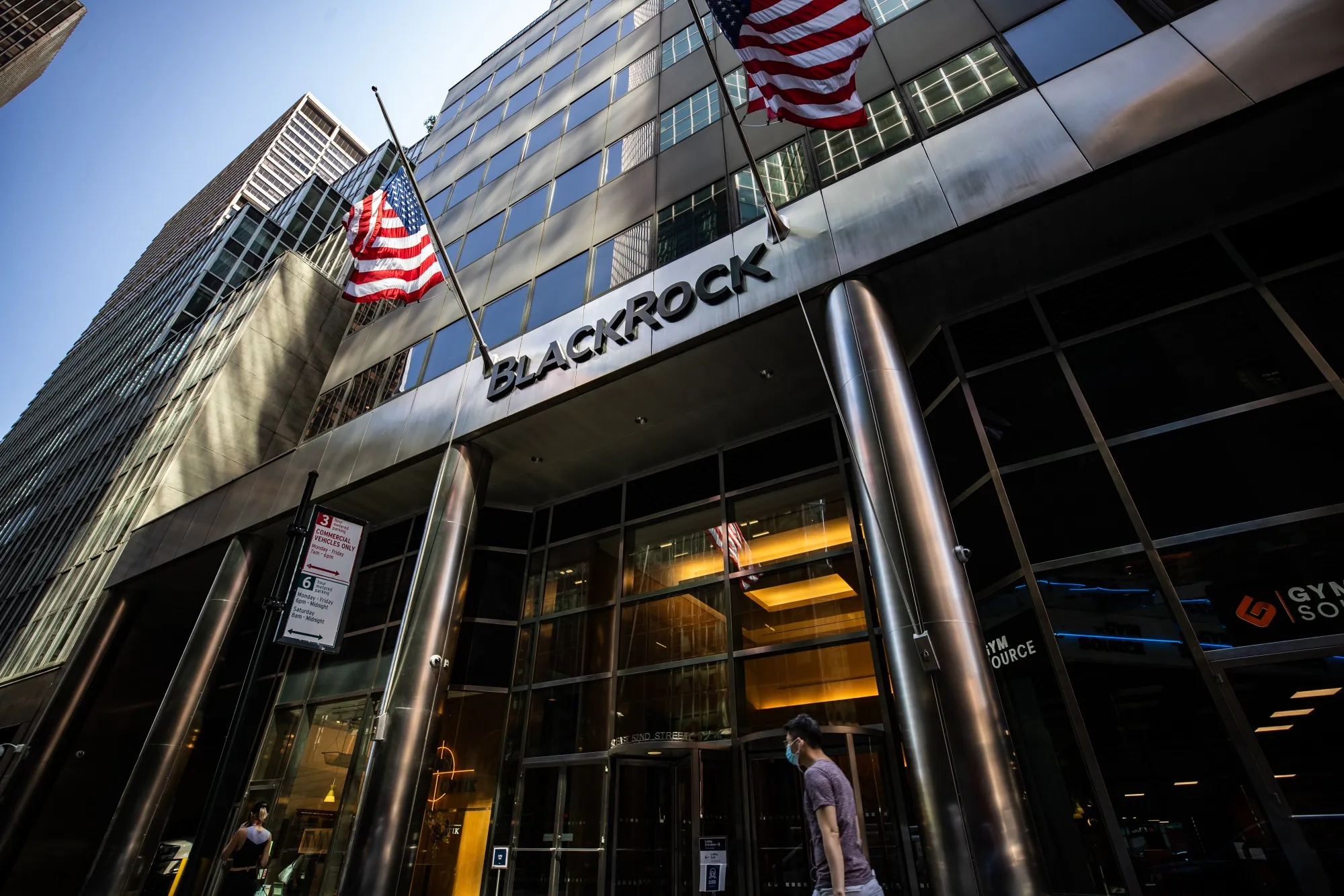
BlackRock is widening its push into onchain finance with new blockchain-based money market products that could become a major building block for the next phase of regulated digital dollars. The move stands out not just because of BlackRock’s size, but because both new funds are reportedly designed to qualify as eligible reserve assets for permitted U.S. payment stablecoin issuers under the GENIUS Act. That puts this development at the center of two of crypto’s biggest themes in 2026: tokenization and stablecoin regulation.
As traditional asset managers race to bring cash, bonds, and equities onto blockchain rails, BlackRock tokenized money market offerings signal that the institutional market is moving beyond experimentation. Instead, the focus is shifting toward products that can support real settlement, liquidity management, and reserve backing for compliant digital payment systems.
BlackRock deepens its tokenized cash strategy
BlackRock’s latest expansion builds on a broader institutional trend toward turning low-risk traditional assets into programmable blockchain-native instruments. Money market funds have become a natural fit for tokenization because they are already widely used for cash management, liquidity parking, and short-term reserve allocation.
Why money market funds are a natural fit for tokenization
Tokenized money market funds combine familiar underlying assets with faster settlement and more transparent ownership records. For institutional users, that can mean improved collateral mobility, more flexible treasury operations, and the potential to integrate these assets directly into digital financial infrastructure.
For BlackRock, tokenized money market offerings are also a logical extension of the firm’s digital asset strategy. Rather than treating blockchain as a separate speculative market, the firm appears to be applying it to core financial products that institutions already understand and trust.
BlackRock’s move goes beyond a pilot program
This is important because the new structure is not being framed as a niche test. The reported reserve-asset eligibility angle suggests BlackRock is targeting practical utility within the regulated stablecoin ecosystem. In other words, this is less about proving tokenization works and more about building rails for how tokenized cash may function at scale.
GENIUS Act reserve eligibility could be the real catalyst
The biggest strategic detail in this story may be the reported intention for the funds to qualify as eligible reserves for U.S. payment stablecoin issuers under the GENIUS Act. If that framework becomes operational at scale, issuers will need compliant, liquid, high-quality assets to back their tokens.
Why reserve asset status matters for stablecoin issuers
Stablecoin issuers need reserve instruments that satisfy regulators while also supporting liquidity, redemption, and capital efficiency. A blockchain-based money market product from a major asset manager could offer a compelling solution, especially if it can sit more naturally within onchain infrastructure than traditional offchain holdings.
That gives BlackRock tokenized money market products a potentially powerful role in the next generation of dollar-backed digital assets. Instead of stablecoins being backed only by bank deposits or short-dated Treasuries held in conventional wrappers, reserve stacks could increasingly include tokenized fund exposure designed for blockchain settlement.
A bridge between TradFi credibility and crypto utility
This is where BlackRock may hold a significant advantage. Many crypto-native stablecoin projects have spent years trying to prove their reserves are safe, transparent, and liquid. BlackRock enters the conversation with an established institutional reputation and deep experience in managing regulated financial products.
If the GENIUS Act framework advances as expected, the market may begin to favor reserve assets that blend traditional credit quality with onchain operability. That would make tokenized cash products much more than a back-office innovation. They could become a critical layer of regulated digital finance.
The tokenization race is shifting from hype to infrastructure
The timing of BlackRock’s expansion matters because tokenization in 2026 is increasingly about usable financial plumbing, not just headline-grabbing pilots. Markets are already seeing more experimentation around tokenized equities, tokenized deposits, and blockchain-based collateral.
Asset managers are chasing real-world blockchain settlement
Across the industry, firms are trying to position themselves for a future in which assets move across programmable networks around the clock. A tokenized money market fund is especially attractive in that environment because cash equivalents are essential to everything from trade settlement to collateral posting and intraday liquidity.
That makes BlackRock tokenized money market development part of a broader race to own the base layer of onchain finance. The winners may not be the flashiest crypto projects, but the firms that provide compliant, low-risk, interoperable assets institutions can actually use.
Larry Fink’s broader tokenization vision is taking shape
BlackRock CEO Larry Fink has been increasingly vocal about tokenization as a structural shift in capital markets. The firm’s latest blockchain-based money market offerings fit squarely within that thesis. They suggest BlackRock sees tokenization not as a side business, but as a long-term redesign of how assets are issued, transferred, and settled.
That framing also matters for investor sentiment. When the world’s largest asset manager expands deeper into tokenized cash products, it strengthens the case that blockchain adoption is becoming embedded in mainstream market infrastructure.
Why this matters for stablecoins, payments, and crypto markets
The practical impact of these offerings could extend well beyond institutional treasury desks. If reserve-eligible tokenized cash becomes widely adopted, it may reshape how payment stablecoins are built, managed, and trusted.
Stablecoin reserve design may become more sophisticated
For years, the stablecoin debate focused heavily on whether reserves were truly safe and redeemable. The next phase may be about reserve composition and operational efficiency. A tokenized money market structure can potentially offer high-quality exposure while improving transparency, transferability, and auditability on blockchain rails.
That could be especially valuable as regulators push for stricter standards. Compliant issuers may increasingly seek reserve assets that are not only safe, but also easy to integrate into digital workflows. In that context, BlackRock tokenized money market products could become a preferred institutional tool.
Crypto markets gain another sign of institutional maturation
This launch also lands during a period when crypto markets are absorbing mixed macro signals, shifting ETF flows, and a wider debate over market structure legislation. Even with that uncertainty, tokenization continues to attract serious capital and executive attention.
That is a meaningful signal. While speculative trading cycles come and go, the buildout of blockchain-based money market infrastructure suggests institutional adoption is continuing beneath the surface. It reinforces the idea that tokenized finance is advancing even when broader crypto prices are volatile.
Risks and open questions investors should watch
Despite the promise, several key questions remain unanswered. Tokenization still faces interoperability issues, legal complexity, and market structure fragmentation. A successful product launch does not automatically mean seamless adoption across issuers, custodians, and payment platforms.
Regulation will determine how large this market becomes
The GENIUS Act angle is central, but implementation details matter. Eligibility rules, custody standards, redemption mechanics, and disclosure requirements could all affect how useful these funds become for payment stablecoin issuers. If regulation is too restrictive or inconsistent, adoption could move more slowly than the market expects.
On the other hand, clear rules could unlock rapid institutional demand for blockchain-based money market products. That is why this story is as much about policy as it is about product design.
Fragmentation across blockchains may limit early efficiency
Another challenge is network fragmentation. If tokenized reserves sit across multiple chains without strong interoperability, some of the efficiency gains may be diluted. BlackRock’s expansion is a strong signal, but the long-term value of tokenized money market products will depend on whether they can move cleanly across the ecosystems where stablecoins and digital assets actually operate.
Even so, the direction is becoming harder to ignore. BlackRock tokenized money market expansion shows that the next growth phase in crypto may be led less by speculative novelty and more by regulated financial infrastructure designed for real economic use.
Frequently Asked Questions
Why are BlackRock’s new blockchain-based money market offerings important?
They matter because they appear designed to serve as eligible reserve assets for regulated U.S. payment stablecoin issuers under the GENIUS Act. That gives them potential real-world utility in digital payments and onchain finance.
How do tokenized money market funds differ from traditional money market funds?
They hold similar types of low-risk assets, but ownership and transfer are represented on blockchain rails. This can improve settlement speed, transparency, and integration with digital asset infrastructure.
Could these products help stablecoins become more trusted?
Yes. If stablecoin issuers can hold high-quality, regulated, and blockchain-compatible reserve assets, it may strengthen confidence in reserve backing, liquidity, and redemption processes.