

Asian Markets Cascade Lower: Context Behind the Sharp Drop
Technology Stocks Lead Regional Retreat
This week saw Asian stock markets take a sharp downturn, triggering ripple effects across the broader financial ecosystem. Technology companies bore the brunt of the sell-off, as investor appetite soured in response to disappointing quarterly results from several U.S. giants. The uncertainty didn’t stop at stocks—commodities joined the volatility parade, with Brent crude oil surging past the $112 per barrel mark, adding pressure on inflation-sensitive assets.
Chinese Policy and Global Sentiment Intertwine
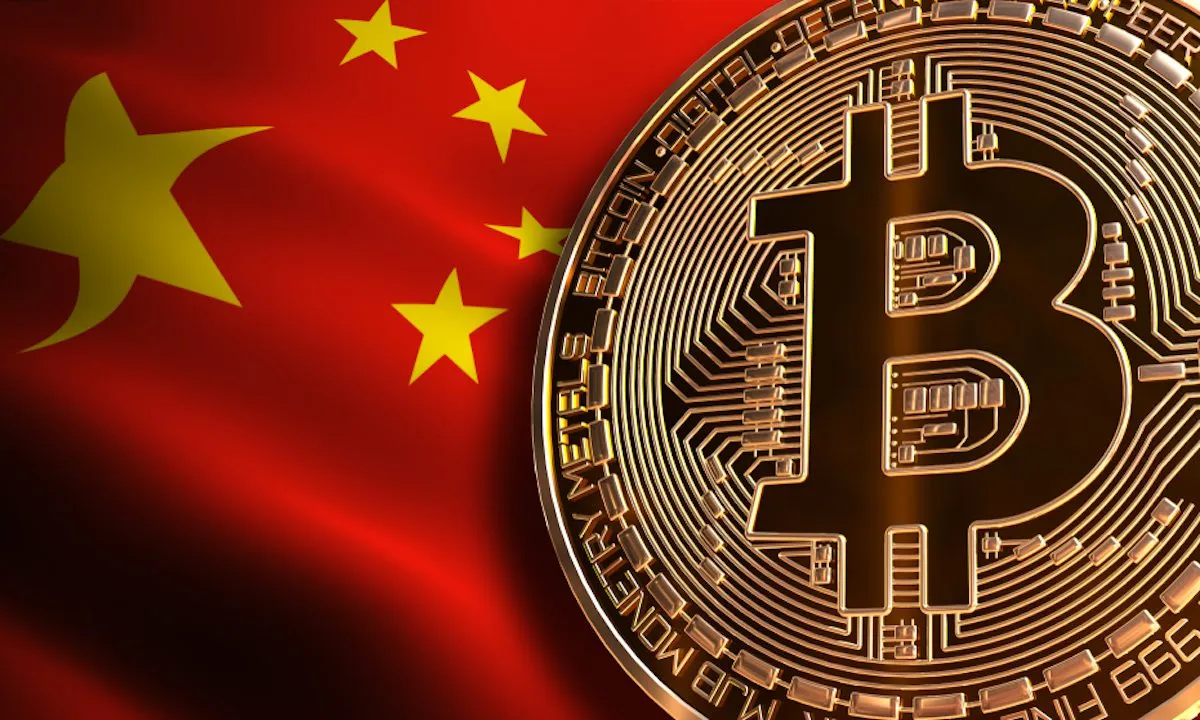
The situation in China deepened global concerns following the announcement from Chinese prosecutors to confiscate more than 61,800 Bitcoin linked to a $5.7 billion fraud case. Legal developments in China have not only impacted local sentiment but have also contributed to bearish undertones in international crypto markets.
Bitcoin Takes a Step Back: Key Support in Focus
Wild Swings as BTC Retests Support
Bitcoin, the world’s most well-known cryptocurrency, was not immune to the turmoil. After briefly surging above the $84,000 milestone late Wednesday, BTC quickly retreated to hover around the $82,500 support level—a key price point analysts are monitoring closely. The sharp reversal underscores the sensitivity of the digital asset space to global risk aversion and legal headwinds.
ETF Inflows Slow Amid Market Turbulence
The explosive rallies of prior months were often fueled by robust inflows—about $235 million per day—into Bitcoin ETFs. However, that tempo has noticeably slowed, with recent data showing ETF net inflows lagging behind previous averages. This shift has added to the current air of uncertainty for Bitcoin price watchers and traders.
Chinese Legal Drama Casts a Shadow on Crypto
Massive Bitcoin Seizure: Legal Precedents Set
One of the most eye-catching developments is the scale of China’s Bitcoin confiscation effort. Authorities are moving to seize assets from a multibillion-dollar scam—a move that not only demonstrates Beijing’s increasingly hard-nosed stance on fraud but also sets new legal precedents in digital asset restitution.
U.K. Court Decision Amplifies Impact
Adding to the drama, a U.K. court recently recognized Chinese law as applicable for victims’ claims over the seized Bitcoin. This cross-border legal maneuvering introduces a fresh layer of uncertainty for international investors and underscores the growing complexity of digital asset recovery in an interconnected world.
New Technologies and Upgrades Amid the Chaos
Settlement Speed Innovation Offers Hope
Despite the volatility, some positive signals have emerged on the technology front. A new blockchain voting system has been unveiled, aiming to cut transaction settlement times to a disruptive 150 milliseconds. The upgrade promises faster payments and deposits while allowing users to maintain their current crypto wallets, offering greater efficiency without a steep learning curve.
Major Investments Shift Toward AI and Other Chains
Meanwhile, blockchain startups are beginning to pivot rapidly. One notable company is sunsetting its proprietary blockchain in favor of a move to Sui, backed by a hefty $30 million investment. The new focus? Providing AI training data—a sign that innovation continues even in challenging times, with investors chasing the next big trend in the blockchain ecosystem.
Cross-Border Payments and Stablecoin Progression
Asian Collaborations for Seamless Payments
Amid the economic and regulatory turmoil, cross-border crypto payments are forging ahead. Leading financial groups in Japan and South Korea announced a joint initiative to streamline card-linked payments for Japanese visitors and enable peer-to-peer wallet transfers for broader regional trade remittances. As stablecoins grow increasingly vital for frictionless transactions, these partnerships highlight the practical utility driving the sector’s development.
Stablecoin Lending Eyes Real-World Assets
The growing intersection between real-world assets and blockchain finance entered the spotlight as lending platforms continue to experiment with fixed-rate products. A recent study suggests that a modest 5% allocation shift in just two major reserves could spawn nearly $2 billion in new demand for real-world asset lending—a powerful testament to crypto’s role in next-generation finance.
Fragile Recovery: Altcoins, Institutional Moves, and What’s Next
Zcash and Dogecoin Tap Optimism
While Bitcoin remains subdued, some altcoins have started to reclaim ground. Notably, Zcash (ZEC) led a minor rally after developers confirmed a major network upgrade date, and Dogecoin Labs launched a new initiative aimed at expanding DOGE’s utility in payments and decentralized finance.
Institutional Players Shape the Road Ahead
Institutional activity remains a crucial market driver. U.S. spot Bitcoin ETFs drew over $1 billion in three trading days, and leading custodians are expanding digital asset services. Yet, broad market direction hinges on how international legal and regulatory issues unfold—especially with China at the center of attention.
Frequently Asked Questions
What triggered the latest drop in Asian stock markets?
The sell-off was primarily driven by poor performance from major technology companies, mixed U.S. earnings, and surges in commodity prices such as oil, amplifying investor risk aversion.
How are developments in China affecting the crypto market?
China’s massive Bitcoin confiscation linked to a high-profile fraud case and a U.K. court’s validation of Chinese law for asset claims have added uncertainty and pressured crypto prices globally.
Are Bitcoin ETFs still attracting strong investment flows?
Recently, inflows into Bitcoin ETFs have cooled compared to earlier in the year, contributing to increased volatility and putting important support levels back in focus.