

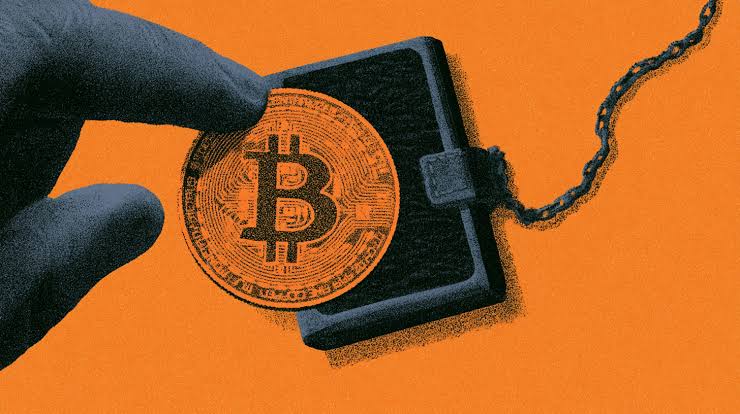
The fallout from the Coldcard exploit is quickly becoming bigger than a single hardware-wallet security incident. Analysts now say the breach could reshape how both retail and institutional investors think about bitcoin ownership, custody risk, and regulated market access. With confidence in self-custody tools suddenly under pressure, attention is shifting toward crypto custody providers and spot bitcoin ETFs that offer exposure without requiring users to personally secure private keys.
The incident reportedly exposed a years-old firmware flaw and has already been linked to significant losses across thousands of addresses. That scale matters because it strikes at one of bitcoin’s most important narratives: that self-custody is the safest and most sovereign way to hold digital assets. While that principle still resonates with long-term believers, the latest attack shows that operational mistakes, flawed hardware assumptions, and social engineering can all turn “cold storage” into a very real point of failure.
Why the Coldcard exploit shook confidence in self-custody
A hardware wallet flaw became a market-wide warning
The Coldcard exploit was not treated as an isolated bug. It became a broader signal that even highly regarded bitcoin security products can carry hidden risks for years before attackers exploit them at scale. Reports indicate the flaw was tied to wallet entropy generation, a deeply technical but crucial part of creating secure private keys.
That detail is important because bitcoin holders often assume hardware wallets are secure by default. In reality, wallet safety depends on firmware quality, randomness, user setup, update hygiene, and protection against phishing. Once those assumptions break, the entire self-custody model feels less foolproof to average investors.
The breach revived fears around wallet setup and recovery
The attack also revived an old debate in crypto: whether users can realistically be expected to manage advanced security procedures on their own. For experienced bitcoiners, multisig setups, seed phrase backups, and air-gapped devices may seem like best practice. For newer investors, however, these methods can feel intimidating and error-prone.
That gap may help explain why the Coldcard exploit is being viewed as a catalyst for changing investor behavior. When self-custody becomes associated with hidden technical risk, some market participants begin looking for safer, more familiar alternatives.
Analysts see a tailwind for regulated bitcoin exposure
Bitcoin ETFs may look more attractive after the breach
Analysts at firms including FRNT have suggested the latest security failure could drive some investors toward regulated bitcoin exposure through spot ETFs. The logic is straightforward: if investors want bitcoin price exposure without personally handling private keys, wallet firmware, or seed phrase protection, ETFs offer a simpler route.
This does not mean ETFs replace the philosophical appeal of self-custody. Instead, they answer a different investor need. Many buyers prioritize convenience, institutional oversight, tax simplicity, and recognizable market structure over direct ownership of coins. In the aftermath of the Coldcard exploit, those advantages become easier to market.
Custody providers could benefit from a trust rotation
Cantor and other market observers also see a positive read-through for professional crypto custodians. That could include regulated firms offering insured storage, institutional-grade controls, and collaborative authorization frameworks.
The key theme is trust rotation. If confidence moves away from solo retail self-custody, some of that demand may flow toward providers specializing in enterprise security. For institutions already wary of operational risk, the event reinforces the idea that secure bitcoin exposure requires process, governance, and external oversight.
Collaborative multisig is gaining momentum after the attack
Security is shifting from single-device trust to layered protection
One of the clearest lessons from the Coldcard exploit is that relying on one device or one setup path can be dangerous. Industry response has increasingly emphasized collaborative multisig, where multiple keys, devices, or parties are required to authorize transactions.
This model reduces single points of failure. Even if one signer is compromised, an attacker may still be unable to move funds. That makes multisig especially appealing for high-net-worth investors, family offices, and treasury managers who want the benefits of self-custody without putting everything at risk in one place.
AI-driven threats are changing wallet security assumptions
Another factor raising concern is the growing role of AI in phishing, malware, and exploit discovery. Security leaders have warned that self-custody is becoming more difficult in an environment where attackers can automate reconnaissance, create convincing fake support messages, and identify software weaknesses faster than before.
That means the Coldcard exploit may be remembered not only as a wallet flaw, but also as part of a broader turning point in crypto security. The challenge is no longer just storing keys offline. It is defending against increasingly sophisticated attack chains that combine firmware issues, cloned websites, fraudulent emails, and user manipulation.
Institutional demand may favor convenience over ideology
Regulated bitcoin exposure fits traditional portfolio construction
The timing of this story is notable because portfolio analysts are also debating how bitcoin should be held inside diversified strategies. Recent market commentary has highlighted that the structure of a bitcoin allocation can matter as much as its size. Direct holdings, baskets, trend-managed sleeves, and ETF access can all lead to very different outcomes in practice.
For pensions, advisors, and corporate allocators, regulated bitcoin exposure often fits more naturally into existing compliance and reporting systems. They can buy through brokerage accounts, use established fund wrappers, and avoid building new internal security processes from scratch. That institutional convenience may become even more valuable after the Coldcard exploit.
Spot Bitcoin ETF inflows underline the shift
Recent inflows into spot bitcoin ETFs suggest that demand for simpler access remains intact. If custody concerns intensify, ETFs could see stronger support from investors who had been on the fence about entering the market through self-custody.
This is especially true for users who do not want to navigate firmware updates, hardware-wallet sourcing, or multisig design. For them, ETF exposure may not be a compromise. It may simply be the most practical way to participate in bitcoin’s upside while outsourcing operational risk.
Why self-custody is not disappearing despite the Coldcard exploit
Bitcoin holders still value sovereignty and control
Even with the current backlash, it would be a mistake to assume self-custody is losing relevance altogether. Many bitcoin advocates view direct ownership as essential, especially in a world where counterparty risk, financial censorship, and policy uncertainty still matter. For these users, the answer to the Coldcard exploit is not abandoning self-custody but improving it.
That could mean moving toward audited devices, certified randomness systems, geographically distributed backups, and multisig arrangements that remove reliance on any single vendor. In other words, the incident may ultimately push the self-custody market toward higher standards.
The market may split into clearer investor segments
What seems more likely is a sharper divide between investor types. One group will continue prioritizing sovereignty and direct bitcoin ownership. Another will prefer regulated bitcoin exposure through funds and custodians. A third may use a hybrid model, keeping a portion in self-custody and another portion in bitcoin ETFs or managed accounts.
That segmentation is healthy for the market because it acknowledges that not all investors have the same technical skill, risk tolerance, or investment goals. The Coldcard exploit has simply made those differences impossible to ignore.
The bigger lesson for bitcoin markets and custody providers
Security incidents can change adoption paths overnight
Crypto markets often focus on price, but security failures can be just as influential in shaping adoption. A single exploit can redirect flows, strengthen incumbents, and change the competitive balance between self-custody tools, custodians, and exchange-traded products.
In this case, the Coldcard exploit may serve as a powerful marketing moment for firms offering insured custody, compliance-friendly access, and simplified product design. It also puts pressure on wallet manufacturers to improve transparency, testing, and user education.
Trust will define the next phase of bitcoin ownership
At its core, this story is about trust. Investors still want bitcoin exposure, but they are reconsidering where trust should sit: in personal devices, collaborative key management, regulated funds, or professional custodians. The answer will vary, but trust itself has become the most important product in the market.
That is why the Coldcard exploit could have effects well beyond the immediate losses. It may accelerate a new phase where convenience, regulation, and institutional safeguards win a larger share of bitcoin demand, even as hardcore users continue building stronger self-custody systems.
Frequently Asked Questions
How does the Coldcard exploit affect bitcoin investors?
It increases awareness of self-custody risk. Investors may now reassess whether to hold bitcoin directly in hardware wallets, use multisig solutions, or seek regulated products like spot ETFs.
Why could bitcoin ETFs benefit from the Coldcard exploit?
Spot bitcoin ETFs allow investors to gain bitcoin price exposure without managing private keys or hardware-wallet security. After a major wallet breach, that simplicity can become more appealing.
Is self-custody still safe after the Coldcard exploit?
Self-custody can still be safe, but it requires stronger practices than many users realize. Multisig setups, careful device sourcing, secure backups, and anti-phishing discipline are more important than ever.